
Seeing is believing, unironically.
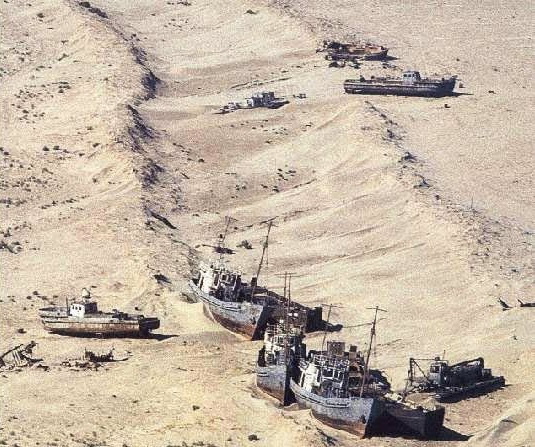
Ships in the Sahara.
Sahara (2005) is the typical old-fashioned adventure film, filled with realistic, regular human characters, the damsel in distress and an incredibly exotic location. When you try to make a real-life location exotic, however, it can translate as absurd. Imagine how absurd the concept of a ship in the middle of the Sahara is.
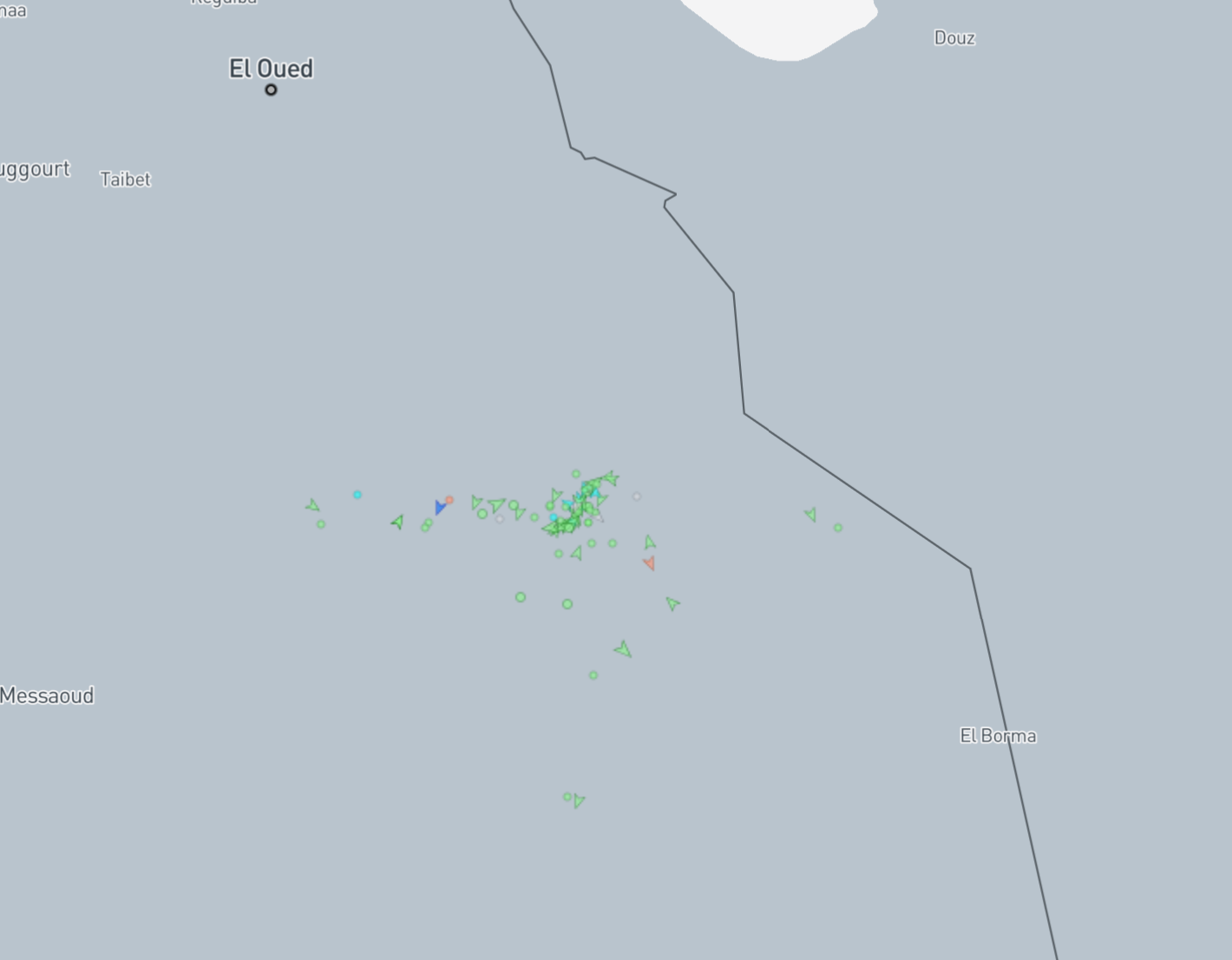
Notwithstanding this absurdity, MariTrace has documented false ship positions in the Sahara. This screenshot of MarineTraffic shows ship markers in eastern Algeria, near the Tunisian border. The cause of the positions shown here is unverified.
Now, a ship marker in the Sahara is easy to question because of the level of its absurdity. It’s the stuff of adventure movies. Consider an erroneous track near the Bonny River approaches, however. It can look credible enough to mobilise trucks, cranes and labour for a vessel that could be hundreds of miles away. At most ports, the difference between a ship approaching, a berth being ready and cargo being released can determine who pays for a missed shift.
A February 2026 U.S. forfeiture complaint cites a data provider’s report of falsified positions for the tanker Skipper in the Ghana–Nigeria sector of the Gulf of Guinea.
There was the case of the Princess Janice in 2019. For roughly two weeks, its AIS track appeared over California and Utah. SkyTruth and Global Fishing Watch had to use satellite reception footprints to place the crew boat near Nigeria’s central coast.
Pole Star Global also assessed a 2024 track placing the tanker M Sophia near Nigeria as likely spoofing.
The decision at a port
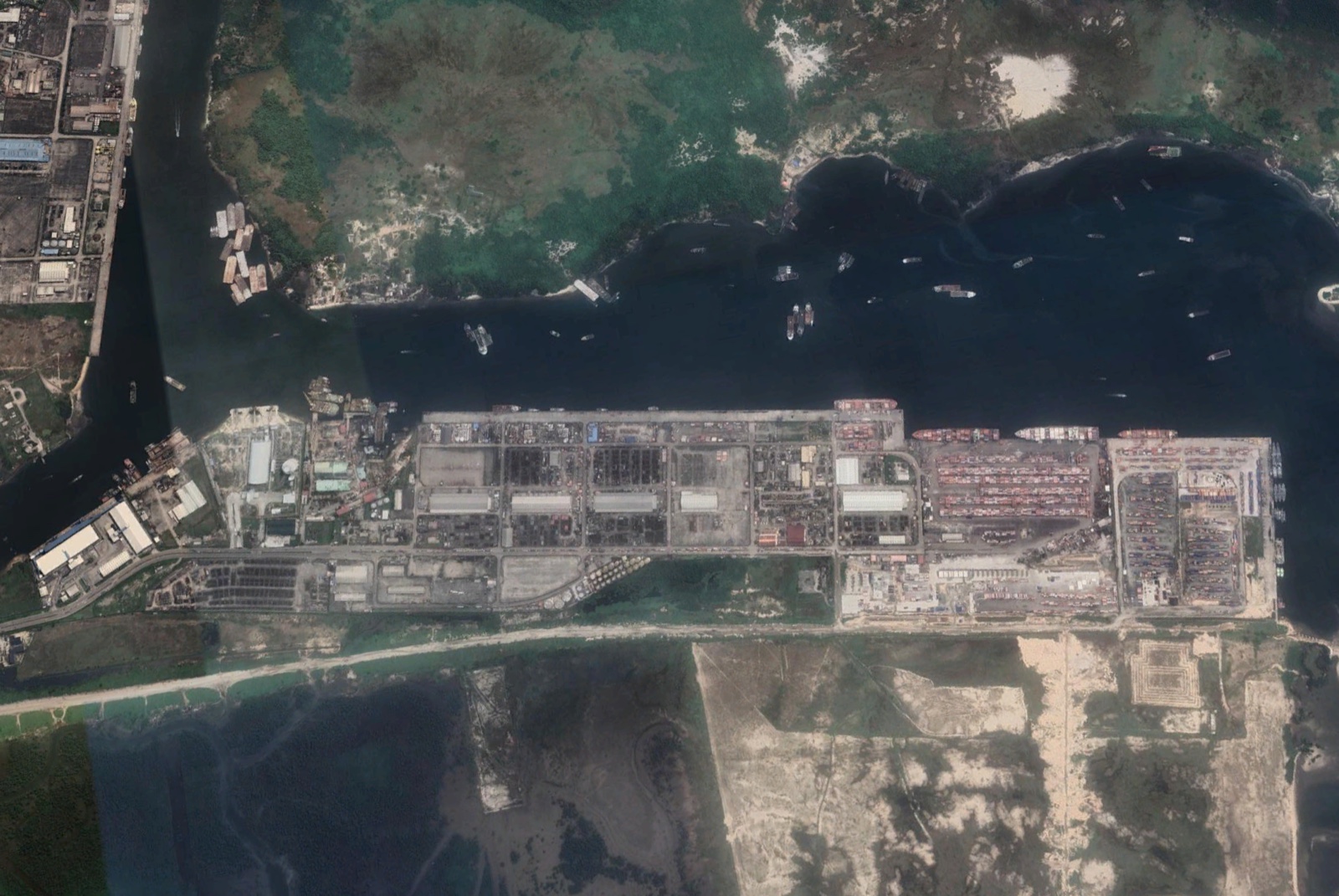
Consider a breakbulk discharge at Onne. The tracker places the vessel near the approaches. The agent’s last report puts it farther offshore. The lifting contractor needs a commitment before its reservation expires. The haulier wants a collection time.
Even if the position is verified, the two decisions remain open. The lifting commitment depends on the terminal’s discharge window. Truck dispatch depends on when the cargo can be released for collection. If the desk waits for both before doing anything, it may lose the lifting slot. If it treats the ship’s arrival as authority for both, it may pay for trucks that have nothing to collect.
The same discrepancy can carry into the laytime account. A tracker timestamp and a port record may refer to different events. The charterparty determines which event matters, where it must occur and what readiness must be established. Once the parties disagree, reconstructing those distinctions is slower and more expensive than recording them at the time.
Why Blackfriars
The freight desk needs to know which decision it can defend before each deadline. That is the verification brief Blackfriars would take on. Before mobilisation, we would record which event releases each commitment and who can confirm it. If the reports diverge, we would trace them back to their sources, obtain corroboration where access permits and record what remains disputed.
At Onne, the lifting contractor’s cutoff would set the deadline for our assessment. Where a usable satellite image covers the disputed window, we would compare it with the agent’s arrival record to check whether the vessel was alongside. With authorised access, a check at the quay could establish whether discharge had begun. The terminal’s discharge plan and the cargo release record would then inform which resources the desk could commit.
Before that cutoff, Blackfriars would give the person authorising spend a written recommendation on whether to book the lifting crew and whether to dispatch trucks. A confirmed discharge window might justify securing the crew while the trucks stay on hold pending cargo release. The recommendation would record what supports each decision and what evidence would change it.
Open a case